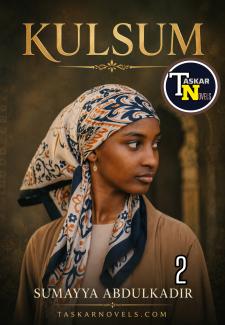
 FreeFree
Description
Cultural and Societal Context of Northern Nigerian Royal Literature
- The Gida Biyu (Royal Household) Dynamic: The story is deeply rooted in the traditional socio-cultural framework of Northern Nigerian emirates (such as Gaya and Kano). It highlights the absolute authority of the Maimartaba (Emir) whose word acts as both law and religious mandate (Sunnah), overriding even personal preferences and marital compatibility.
- The Stigma of Medical Conditions (Fitsarin Kwance): The inclusion of nocturnal enuresis (bedwetting) introduces a raw, realistic vulnerability rarely spotlighted in classic romance fiction. It serves as a psychological barrier that fuels Kulsumu's deep-seated inferiority complex, contrasting sharply with the opulent, pristine expectations of palace life.
Traditional Healthcare and Sisterhood: The text heavily emphasizes indigenous Northern healing practices—such as postpartum-style steaming (gasawa), farfesun kaza loaded with local spices, kunun kanwa, and herbal concoctions sourced from Maradi (Niger Republic). This highlights a parallel support system among women (Umma, Laraba, and Goggo) that operates outside male visibility.
2. Structural and Pacing Breakdown
- The Inciting Incident (The Forced Consummation): Placed abruptly early in the narrative, it shatters the traditional romance trope of a slow-burn courtship. It establishes immediate stakes: a union forged in coercion, pain, and total lack of consent.
- The Middle Phase (The Metamorphosis & The Phantom Presence): A character-driven middle act where Turaki's physical absence ironically works in Kulsumu's favor. By removing the antagonist, the narrative allows Kulsumu to evolve intellectually (starting secondary school, mastering English/Hausa studies) and socially (earning the love of the palace women and Fulani).
The Climax-in-Motion (The Four-Year Ultimatum): The looming threat of the four-year Islamic legal framework regarding abandonment (shari'ah rulings on a missing or absentee husband) creates an impending temporal crisis, shifting the emotional tone from melancholic longing to acute despair.
3. Symbolic Elements & Motifs
- The Jallabiyya and the Dim Green Lights: Turaki’s entrance into Kulsumu's room enveloped in dim green lighting symbolizes artificiality, detachment, and an action performed mechanically rather than passionately.
- The Countdown of Years (1 to 3, and the impending 4): Time acts as an active antagonist. The passage of years does not heal wounds; instead, it deepens Kulsumu's psychological dependency and magnifies the ticking clock of her marital expiration.