 Free
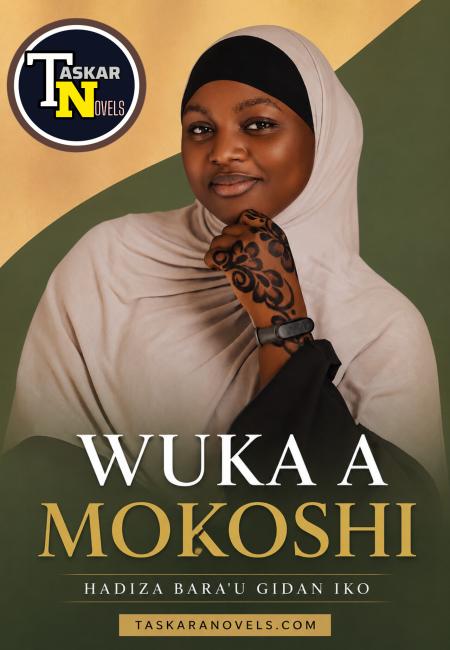
FreeWuka A Makoshi Book Compelet By Gidan Iko
Access is currently restricted.
FreeAccess is currently restricted.
The author employs a technique common in Hausa soyayya (romance) and zamantakewa (social) literature, which involves a lengthy, moralistic preamble before the actual plot begins. This serves several purposes:
The Concept of "A Bar Wa Rai": The title itself is profound. It implies that there are certain burdens, pains, and secrets that are too heavy for human discourse, so they must be "left to the soul." It is an admission of helplessness against the darkness of the world.
Zubaina (The Occult Force): The introduction of a female demon (aljana) adds a layer of supernatural dread. The "smoke" and "laughter" are classic gothic tropes, used here to emphasize the terrifying, irreversible nature of the pact.
In Hausa literature, the Shimfida (opening/introduction) is not just a prologue; it is a covenant between the author and the reader.
The Shift to Tragedy: The transition from the philosophical, macro-level discussion of the world to the micro-level kidnapping of 4-year-old Safiyya is jarring. This is an intentional narrative shift—from the "abstract" (global corruption) to the "concrete" (the suffering of an innocent child). It forces the reader to stop viewing "societal decay" as a distant concept and feel the immediate horror of its consequences.
The text captures a specific anxiety prevalent in contemporary discourse: The erosion of Amana (trust).
The author points out that even in family units, there is deceit—husbands hiding secrets from wives, children manipulating parents, and neighbors viewing each other with suspicion. By grounding the supernatural horror (the Dodon Kodi) in the very real, relatable setting of a neighborhood kidnapping, the author is making a bold statement: The real monsters are not always the demons; they are the people who have lost their moral compass and are willing to sacrifice others for their own elevation.