 FreeFree
Description
Extended Summary
This expanded narrative segment dives deeper into the intricate political and spiritual chess match driving the characters forward. The storyline splits into two major focal points:
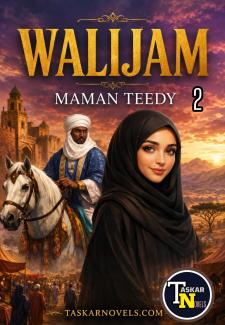
- Humairu’s Expedition & Spiritual Tensions: After successfully converting Princess Mashlira and her jungle tribe to Islam, Humairu absorbs her faction into his traveling party, bringing the total number of travelers to nine. They ride atop the powerful jinn Narguz, bypassing weeks of earthly travel through the clouds. Throughout the journey, subtle ideological tensions flare up. King Himras remains arrogant and resentful, clinging to his old ways, while Princess Mashlira openly declares that her authority and Humairu's are one—sparking jealousy and suspicion among companions like Princess Hulaifa and warrior Sharilat. Upon arriving at the terrifying, obsidian-built palace of sorcerer Zammar ibn Naufal, the formidable gates defy King Himras's magical incantations. It is only when Humairu recites verses of the Quran and invokes the names of Allah that the impenetrable doors effortlessly swing open. Inside, past silent rows of lifeless human and jinn warriors, they reach the Ruby Well housing the coveted Magical Grimoire, only to be confronted by two terrifying, giant Marid jinn guardians.
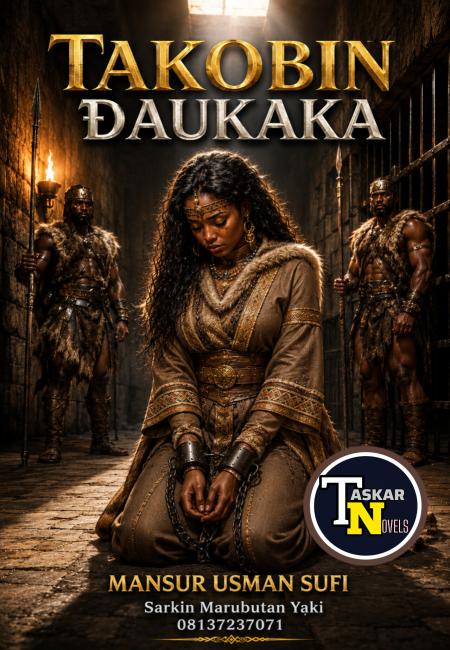
- Baddadul-arus’s Subterranean Trial & Pact with Sorcerer Sharubu: In a parallel, high-octane battle within the dark depths of the Garul-Shimshan cave, King Baddadul-arus and his loyal companions (King Huraisu, Princess Uzaima, Shaibat, and the jinn Zamzaru) endure a brutal, grueling half-hour war against a ninety-nine-headed serpent. Utilizing raw physical strength, tactical ingenuity, and unyielding elite resilience, Baddadul-arus rips off the creature's heads and destroys its eyes. The beast dissolves into light, revealing a golden key that opens the tomb of the legendary, fearsome sorcerer Sharubu ibn Shalyasu. When Baddadul-arus places the magical chain upon Sharubu's corpse, the cave convulses in a cataclysmic earthquake. The undead sorcerer awakens, towering like an ancient Giant of Thamud, but rather than destroying them, Sharubu rewards them for freeing him. He grants them supernatural physical empowerment and a vow of alliance to help them secure the Magical Grimoire and the ultimate Magical Sword.
Expanded Description
- Literary Style: Written in a traditional Hausa pulp-fantasy style (Littattafan Soyayya / Tatsuniya / Action Fiction), rich with hyperbole, epic naming conventions, cosmic stakes, and dramatic flair.
- Atmospheric Contrast: The narrative brilliantly contrasts celestial and divine light (Humairu's faith, Quranic recitation, blinding white light) against dark, ancient sorcery (volcanic stone palaces, blood-soaked serpents, undead necromancy, glowing red-eyed giants).
- Symbolism of Power: The text contrasts two forms of authority: sorcery and physical coercion (represented by King Himras, sorcerer Sharubu, and pagan relics) versus divine submission and spiritual clarity (represented by Humairu, whose power stems not from artifacts or personal ego, but from reliance on the Creator).
- Character Archetypes:
- The Righteous Hero: Humairu (calm, spiritually anchored, humble yet overwhelmingly capable).
- The Reluctant / Prideful Monarchs: King Himras and sorcerer Hushaib (skeptical, bound by tradition, forced to swallow their pride to survive).
- The Transformed Convert: Princess Mashlira (loyal, deeply devoted, bridging leadership with spiritual rebirth).
- The Brutal Conqueror: King Baddadul-arus (driven, fearless, trading blows with mythological beasts).
Deep Analytics
- Thematic Evolution — Faith vs. Relics: A dominant analytical thread in this text is the transition of power from material talismans to spiritual belief. While the pagan kings (Himras, Baddadul-arus, Hushaib) are entirely dependent on physical objects like magical chains, grimoires, and swords, Humairu demonstrates that true authority bypasses physical locks and barriers through spiritual alignment. Yet, the narrative cleverly forces an uneasy alliance between these opposing forces, as Humairu agrees to help them secure their magical objectives in exchange for their spiritual submission.
- Pacing and Narrative Symmetry: The chapter utilizes a dual-narrative mirror structure. Both plots involve missions centered around the pursuit of ultimate magical artifacts (The Magical Grimoire and The Magical Sword). While Baddadul-arus's plot moves horizontally through subterranean violence and pacts with dark entities, Humairu's plot moves vertically through the skies and divine intervention, highlighting two different pathways to achieving epic dominance.
- Interpersonal Friction & Romantic Subtext: The text introduces complex emotional subtext. Mashlira’s public declaration that she and Humairu "are one" disrupts the group dynamics, stirring anxiety among characters like Princess Hulaifa (who previously shared guarded glances with Humairu). This adds a layer of soap-opera tension beneath the high-fantasy stakes, ensuring that character motivations remain driven by personal affection and jealousy alongside grand political goals.
- World-Building Scale: The geography expands rapidly in this segment—from hidden jungle pagan villages to airborne travel across the clouds on Aljani Narguz, culminating in macro-scale mythical structures like the towering black stone palace of sorcerer Zammar and the catastrophic abyss of Garul-Shimshan.