Description
Advanced Literary & Philosophical Deconstruction
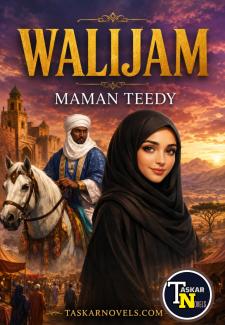
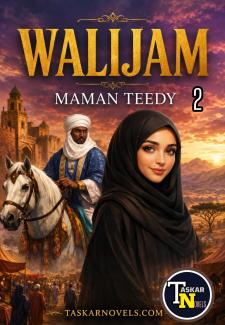
To push our exploration even further, we can examine how this specific text operates as a masterclass in modern Hausa epic fantasy (often associated with the popular literary movement known as Litattafan Kano or regional heroic fiction). Beyond the surface plot, the narrative functions through rich symbolic layers, ideological framing, and structural ironies.
1. The Philosophy of Power: Divine Mandate vs. Occult Mechanicalism
The text sets up a fascinating philosophical dichotomy regarding the nature of power:
- Occult Mechanicalism (The Pagans & Sorcerers): For characters like King Himras, Sorcerer Hushaib, and the undead Sorcerer Sharubu, power is transactional, mechanical, and artifact-bound. It requires specific physical items (chains, grimoires, swords, keys) and ritualistic incantations. When these tools are lost (like the magical chain), the characters experience existential panic and a total collapse of authority.
- The Metaphysical Mandate (Humairu): Humairu’s power is relational and spiritual. He does not own the power; he acts as an agent of the Supreme Will. This is best illustrated at the gate of Sorcerer Zammar’s palace: King Himras—a seasoned monarch—exhausts himself using physical force and complex incantations until he is drenched in sweat, yet fails to move even a speck of dust. Humairu simply steps forward, recites humble verses of remembrance (Ayatullah and the names of Allah), and the door yields effortlessly. This serves as a literary critique of ego and self-reliance versus submission to a higher cosmic order.
2. The Motif of the Threshold and Spatial Liminality
Space in this text is deeply symbolic. The characters are constantly crossing liminal boundaries—thresholds that separate the known world from the supernatural abyss:
- The Town Gate & Palace Thresholds: Moving from the pagan jungle city into the royal palace marks a political and spiritual submission.
- The Cave of Garul-Shimshan: A literal womb of catastrophe and underworld rebirth where Baddadul-arus confronts the ninety-nine-headed serpent. Caves in epic fantasy traditionally represent the descent into the subconscious or death; emerging from it with a golden key and an alliance with an undead giant signifies a "rebirth" into a more dangerous, corrupted tier of ambition.
- The Sky (Aljani Narguz): Traveling across the clouds on the back of a jinn represents a suspension of earthly laws, compressing time and geography to accelerate the convergence of rival factions toward a single climax.
3. Character Micro-Dynamics and Emotional Subcurrents
While the macro-plot deals with empires, grimoires, and magical swords, the micro-narrative thrives on unspoken tension:
- The Triangle of Jealousy: Princess Mashlira's bold declaration that she and Humairu "are one" is a brilliant narrative bomb. It forces characters like Princess Hulaifa and the warrior Sharilat into a state of acute psychological alertness. They are caught between needing Humairu's unmatched spiritual and physical protection to survive their quest, and fearing that his influence is permanently altering the socio-political hierarchy of their world.
- Himras's Silent Defiance: King Himras represents the tragedy of the deposed or eclipsed ruler. He cannot win against Humairu intellectually, physically, or spiritually, yet he cannot dismiss him because he needs him. His strategy is sulking silence—turning his back, scowling, and refusing to speak. This passive resistance highlights how deeply bruised his royal ego is.
4. Structural Rhythm: The Contrast of Speed and Exhaustion
The author orchestrates pacing through deliberate contrasts:
- Hyper-Speed Aerial Transit: Humairu's party skips across weeks of grueling earthly terrain in moments via celestial flight on Aljani Narguz, creating a sense of cosmic inevitability.
- Visceral, Slow-Motion Agony: Conversely, Baddadul-arus's battle with the serpent is meticulously dragged out (half an hour and fifty minutes of relentless struggle). Every blow feels like striking solid rock; every drop of blood and torn-off head is emphasized to make the victory feel earned through sheer, bloody tenacity.

 Novel
Novel