 FreeFree
Description
Purpose
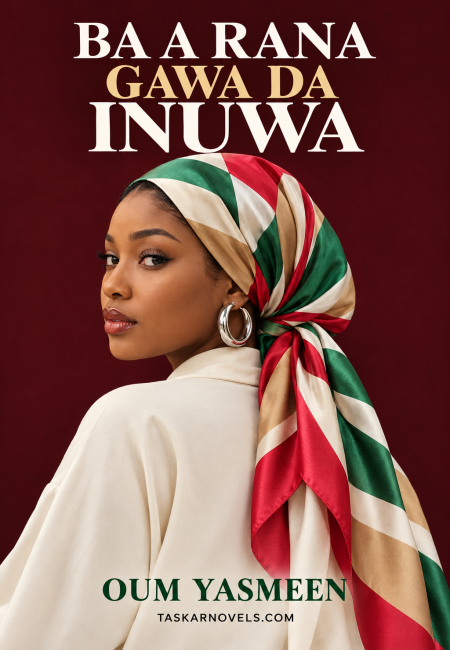
Ba'a Raba Gawa Da Inuwa is a contemporary Hausa fiction novel by Oumyasmeen that explores the intricate themes of social class disparities, humanity, empathy, and the hidden complexities of family life. The narrative serves as both a social critique on the welfare of orphans in Nigeria and a deeply psychological exploration of how unresolved trauma and privilege shape human behavior.
About
The story centers around Dr. Ibrahim Aliyu Askira, a compassionate medical professional from an elite background, and his complex, sharply opinionated household—particularly his eldest son, Abu Turab (Askira), and his wife, Barrister Zainab. When Dr. Ibrahim visits an underfunded local orphanage, he encounters Afiyyah, a blind and vulnerable young girl struggling with trauma. Driven by profound pity, he decides to adopt her into his household. This decision sparks immediate tension, cultural friction, and moral dilemmas within an upper-class family accustomed to rigid social boundaries.
Why Is the Book Called "Ba'a Raba Gawa Da Inuwa"?
The title translates literally to "A Corpse and Its Shadow Cannot Be Separated" (or metaphorically, like a body and its shadow). In the context of the novel, it highlights several thematic dualities:
- Inherent Nature vs. Environment: It reflects the psychological truth that children often inherit or mirror the traits, biases, and protective instincts of their parents or primary caregivers (such as Abu Turab mirroring his mother Zainab's aversion to the lower class).
- Inextricable Fates: It symbolizes how past secrets, crimes, and human suffering cannot simply be buried or hidden away; they follow individuals like a shadow, eventually catching up to impact their present lives.
Main Characters to Know
- Dr. Ibrahim Aliyu Askira: A kind-hearted, empathetic medical doctor who champions humanitarian causes, deeply moved by the plight of society's most vulnerable.
- Barrister Zainab (Mammy): Dr. Ibrahim’s wife, a sharp and protective lawyer. Deeply status-conscious and skeptical of outsiders, she resists the adoption out of fear for her biological children's security and social standing.
- Abu Turab (Askira): Dr. Ibrahim and Zainab's eldest son. A meticulously clean, fastidious, and temperamental young man who struggles with patience and views the world through a lens of strict personal comfort.
- Afiyyah (Asma'u): A visually impaired, traumatized orphan with a tragic background, whose quiet resilience and accidental encounters set the central conflict of the story in motion.
- Fahad and Mahasin: Dr. Ibrahim and Zainab's other children, who navigate the shifting dynamics of their household alongside their parents.
- Sauban: Another sibling whose absence and nightlife add to the domestic tension within the Askira household.
Reading Notes
- The Contrast of Privilege and Neglect: The author starkly contrasts the luxurious, well-guarded lifestyle of the Askira family with the decrepit, neglected state of public institutions and orphanages.
- Psychological Realism: The novel delves into subconscious behavior, parental influence, and emotional triggers. Dr. Ibrahim's ability to read subconscious cues contrasts with Askira's reactive and easily agitated disposition.
- Societal Commentary: Through the backstory of illegal child trafficking rings and institutional failures, the novel sheds light on real-world vulnerabilities faced by marginalized children in Nigeria.
Hausa Terms and Cultural Context
- Ma'gidanci: A married man or head of a household.
- Alhamdulillah: An Arabic phrase meaning "Praise be to God," commonly used in daily Hausa Muslim discourse to express gratitude.
- Islamiyya: Islamic religious schools attended by children after regular secular schooling.
- Bismillah: "In the name of God" / an invitation to begin or enter.
- Jahadi: A righteous struggle, effort, or spiritual endeavor (often used by Dr. Ibrahim to justify his desire to help the orphan).
- Gargadi: Warning or caution (noted at the beginning of the text regarding the author's copyright and fictional intent).
Questions the Story Raises
- Where does true moral responsibility lie? Does society's elite have a strict obligation to rescue the neglected, or does protecting one's immediate family take precedence?
- Can nurture truly override nature? How much of a child's character is shaped by biological parentage versus the environment they are raised in?
- How does class prejudice distort empathy? To what extent does material comfort blind people to the basic humanity of the destitute and disabled?
About the Author
Oumyasmeen is a contemporary Hausa fiction writer known for crafting emotionally gripping stories that blend romance, family drama, and sharp social critique, engaging readers deeply with moral and psychological dilemmas.
What Makes This Page More Valuable Than a Translated Excerpt?
- Contextual Depth: Rather than just a literal translation of the text, this guide provides structural analysis, character motivations, and thematic explanations that unpack the deeper cultural and moral layers of northern Nigerian literature.
- Comprehensive Navigation: It organizes characters, themes, and cultural glossaries in one clean reference point, saving readers from missing subtle subtexts regarding class, trauma, and domestic politics.
Recommended Public Page Order
- Title & Author Introduction
- Purpose & About the Book
- Meaning of the Title
- Character Profiles
- Cultural Context & Glossary
- Thematic Questions & Reading Notes
- About the Author