 FreeFree
Description
Purpose
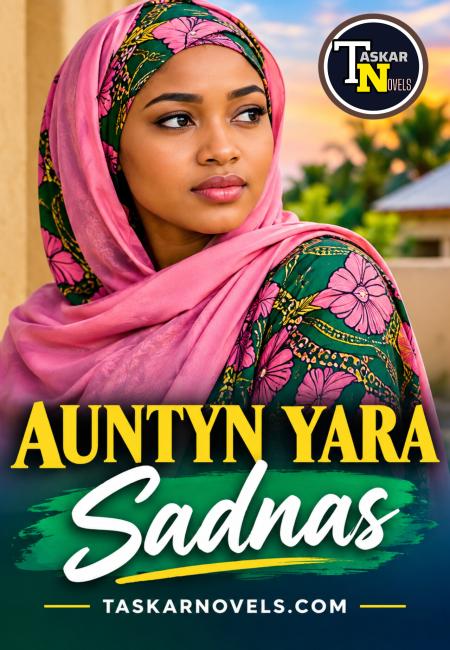
This section provides a structured literary guide and creative overview of the Hausa romance novella fragment "Auntyn'yara" (Aunty of the Children), written by Sad-Nas and Hama Gee Muh'd. It breaks down the plot, character dynamics, cultural setting, and core themes to offer an engaging reading companion.
About
"Auntyn'yara" is a contemporary Hausa popular fiction (littafin Hausa) serial that blends urban romance, philanthropy, and community life. The narrative follows Maryam (affectionately known as Auntyn'yara due to her immense love and dedication to children) and Manosh (a wealthy, aloof prince-like figure). Through a series of chance encounters in Girei and Jimeta, Adamawa State, their lives become intertwined by a pay-it-forward philosophy of kindness.
Why Is the Book Called "Auntyn'yara"?
The moniker "Auntyn'yara" translates literally from Hausa as "Aunt of the Children." Maryam earns this title organically within her community because:
- She dedicates her time to teaching neighborhood children both Western (boko) and Islamic education free of charge in her family's compound.
- She is constantly surrounded by kids, frequently treats them to small gifts like ice cream and sweets (balobalo), and never looks down on them regardless of their social standing.
- Both adults and children in Girei have entirely phased out her birth name, preferring the respectful and affectionate title Auntyn'yara.
Main Characters to Know
- Maryam (Auntyn'yara): A brilliant, humble, and compassionate young woman who has just finished secondary school. She is a multi-time Qur'anic recitation (Musaba'qa) champion who famously used her prizes to sponsor her parents to Mecca.
- Manosh (The Prince / Captain / Brother Manosh): A wealthy, reserved young man belonging to an elite family circle. He is initially portrayed as indifferent, but Maryam's selfless outlook on life sparks a profound transformation in him.
- Miher: Manosh’s vibrant, smartphone-addicted younger sister who wears Western fashion and acts as a bridge between various social circles.
- Marwan, Muhsin, and Majid: Manosh's close-knit circle of friends and brothers who bring youthful banter, loyalty, and subplots to the narrative.
- Maryam’s Father: A hardworking flower vendor in Girei whose integrity and prayers ground the family.
- Abdallah: A mature, religious young boy and the younger brother of Maryam's close friend Rashida; he is Auntyn'yara's favorite among the neighborhood children.
Reading Notes
- The Rule of Three: A central motif of the story is the ripple effect of kindness. When Maryam helps an epileptic old man in the street, she refuses monetary thanks and instead asks the wealthy stranger (Manosh) to help three people and instruct them to do the same. This exact philosophy becomes Manosh's guiding mantra.
- Class Dynamics vs. Human Decency: The narrative explores the contrast between upper-class urban luxury (represented by tinted Prados, Benzs, sleek suits, and phones) and modest, community-centered provincial life in Girei. Despite their financial gulf, moral virtue bridges the gap between Maryam and Manosh.
- Family Loyalty and Secrets: Subplots involving characters like Lubna (an adopted sister raised as family) and Marwan (mourning his late fiancée, Fadila) add emotional depth and foreshadow future romantic entanglements.
Hausa Terms and Cultural Context
- Girei and Jimeta: Real-world locations in Adamawa State, Nigeria, providing a geographically authentic backdrop for the story.
- Musaba'qa: Annual Islamic competitions focused on the memorization and recitation of the Holy Qur'an. Winning these often yields prestigious prizes, such as all-expenses-paid trips for Hajj or Umrah.
- Boko: Western education system, taught alongside traditional Islamic schooling (Islamiyya).
- Balobalo: Popular local snacks/sweets commonly enjoyed by children in Northern Nigeria.
- Alhamdulillah / Ameen / Bisimillah: Islamic expressions of gratitude ("Praise be to God"), affirmation ("Amen"), and invocation ("In the name of God"), which saturate daily dialogue.
Questions the Story Raises
- Can a single encounter with a stranger genuinely alter a privileged person's perspective on philanthropy and ego?
- How does true community respect (girmamawa) outweigh monetary wealth in traditional Northern Nigerian settings?
- In what ways do family secrets—such as adoption or past grief—shape the emotional availability of young adults entering relationships?
About the Author
Sad-Nas and Hama Gee Muh'd are prominent voices in modern Hausa creative writing (Marubuta), known for crafting character-driven romantic dramas that emphasize moral lessons, social responsibility, and cultural authenticity.
What Makes This Page More Valuable Than a Translated Excerpt?
- Contextual Localization: Direct machine translations of Hausa popular literature often strip away cultural nuances, idioms, and religious syntax. This guide preserves the authentic spirit while explaining terms like Musaba'qa and Boko.
- Structural Clarity: Rather than a dense, unbroken block of translated text, it provides a thematic breakdown that helps readers track character relationships, motifs, and plot progression effortlessly.
Recommended Public Page Order
If you are compiling or reading this story across public forums or blogs, the ideal presentation sequence is:
- Title & Author Attribution Banner
- Character Profiles & Relationships
- Chronological Chapter Summaries / Text Blocks
- Cultural & Linguistic Glossary
- Discussion Questions & Themes